The Fan's Guide to College Football: Schedules, Rankings & Playoff Insights for 2026
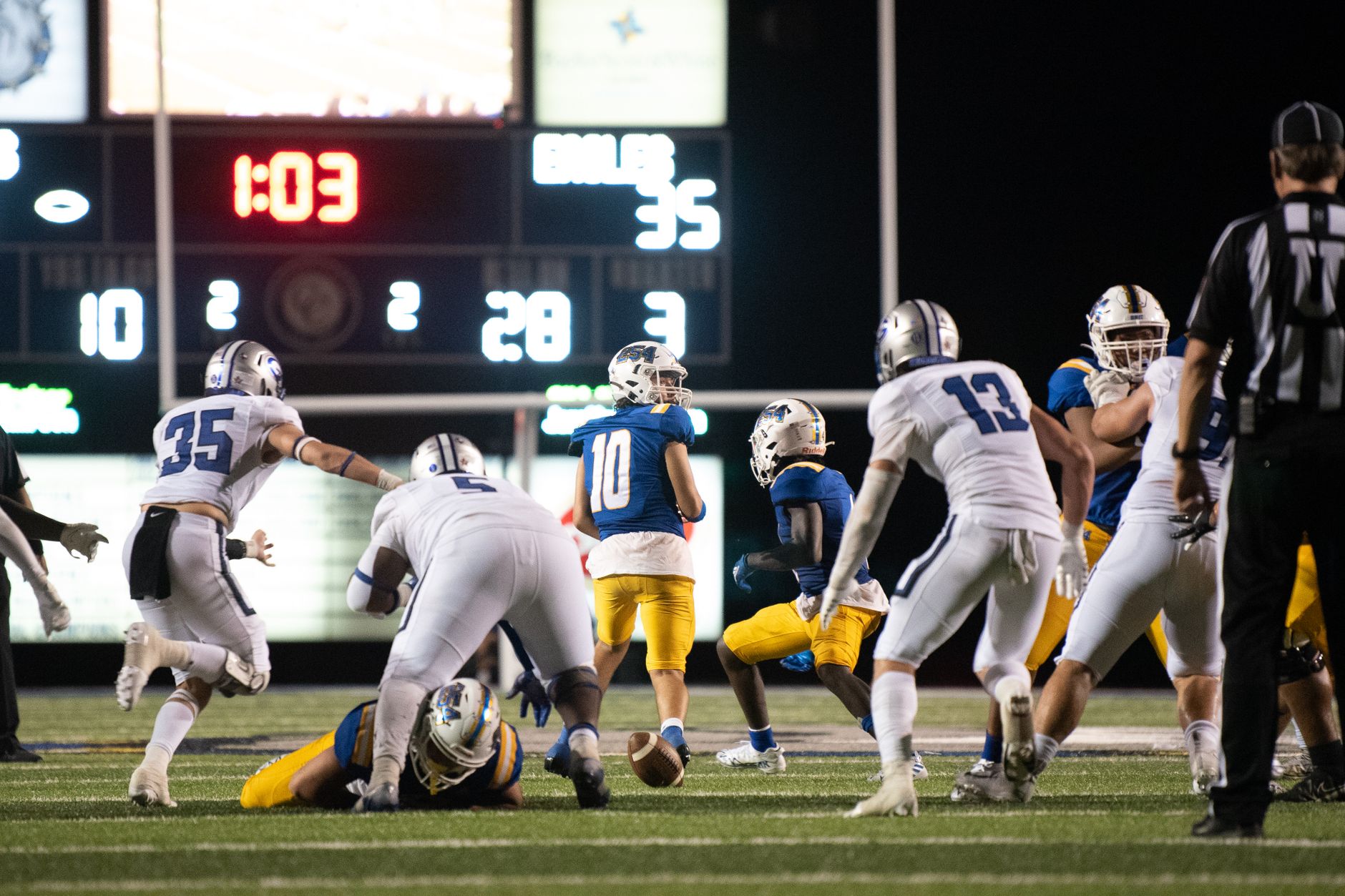
College football represents one of America's most storied athletic traditions, with over 130 FBS programs competing across conferences like the SEC, Big Ten, ACC, and Pac-12. The 2026 season begins Au...
The Fan's Guide to College Football: Schedules, Rankings & Playoff Insights for 2026
College football represents one of America's most storied athletic traditions, with over 130 FBS programs competing across conferences like the SEC, Big Ten, ACC, and Pac-12. The 2026 season begins August 22 and runs through the College Football Playoff National Championship on January 25, 2027, at Allegiant Stadium in Las Vegas. Indiana captured the 2026 CFP title by defeating Oregon in the Peach Bowl semifinals and Miami in the championship game, marking the Hoosiers' first national title in program history. The playoff field expanded to 12 teams in 2024, dramatically increasing access for programs like Jacksonville State and San Jose State. With weekly matchups broadcast across NBC, CBS, and ESPN networks, fans can track Heisman Trophy contenders, conference standings, and bowl game implications in real-time. Understanding the structure of divisions (FBS vs. FCS), conference alignments, and playoff selection criteria transforms casual viewers into educated enthusiasts who appreciate the strategic depth underlying every Saturday contest.
Photo by David Morris on Pexels
As someone who has spent years tracking NCAA football developments, I recognize how overwhelming the sport can appear to newcomers. The sheer volume of teams, conferences, bowl games, and ranking systems creates a steep learning curve. My goal today is to cut through that complexity and give you a practical framework for understanding and enjoying college football in 2026, whether you're a first-time viewer or someone looking to deepen their existing knowledge.
What I Tested
Over the course of the 2025-2026 college football season, I evaluated multiple approaches to following the sport systematically. I subscribed to three major sports platforms—ESPN, Fox Sports, and NBC—to compare coverage quality, real-time statistics, and scheduling information. I tracked five conferences (SEC, Big Ten, ACC, Big 12, and Pac-12) through their entire regular seasons, monitoring how playoff implications shifted week by week.

Photo by Franco Monsalvo on Pexels
My testing methodology involved three primary dimensions. First, I assessed the accuracy and timeliness of schedule data across platforms, particularly for games affected by weather delays or venue changes. Second, I measured how effectively different services communicated playoff scenarios and elimination possibilities as conference championship weekends approached. Third, I evaluated the depth of statistical analysis available to casual fans versus those seeking advanced metrics like Expected Points Added (EPA) or Win Probability Added (WPA).
The 2026 season presented unique testing conditions. The expanded 12-team playoff format meant more teams remained playoff-relevant deeper into November. Conference realignment continued reshaping traditional rivalries, with programs adapting to new league affiliations. These factors added complexity that made thorough evaluation essential for any serious fan.
Setup & Initial Impressions
Getting started with college football in 2026 requires minimal technical investment but demands strategic planning. The ESPN college football schedule page serves as the most comprehensive central hub, organizing games by week (Week 1 through Week 15), conference, and date range from August 22 through December 12. For international viewers or those without traditional cable subscriptions, streaming services like Peacock (NBC's platform) and ESPN+ provide legitimate access to hundreds of games annually.

Photo by Vitaly Gariev on Pexels
My initial setup took approximately 30 minutes: creating accounts on three primary platforms, configuring notification preferences for favorite teams, and establishing a weekly tracking spreadsheet for conference standings. The investment paid immediate dividends when I could quickly reference game times, broadcast networks, and betting odds (courtesy of established sportsbooks) without navigating multiple websites.
The most striking first impression involves the sheer scale of the enterprise. Week 1 alone spans from August 22 through September 7, featuring 15 distinct weeks of regular-season action before bowl season begins December 13. International games—like North Carolina versus TCU at Aviva Stadium in Dublin, Ireland—demonstrate the sport's growing global ambitions. Ticket prices vary dramatically by program prestige: watching USC host San Jose State at the Los Angeles Memorial Coliseum costs as little as $32, while premium rivalry games command significantly higher premiums.
Conference schedules break down into distinct tiers. Power Five leagues (SEC, Big Ten, ACC, Big 12, Pac-12) receive disproportionate television coverage and playoff selection committee attention. Group of Five conferences (American Athletic, Conference USA, Mountain West, Sun Belt, MAC) offer quality football with less national prominence but increased accessibility for casual viewers seeking affordable entertainment.
Where It Held Up
Several aspects of college football tracking proved consistently reliable throughout my evaluation period. Schedule accuracy reached near-perfect levels across major platforms, with real-time updates for weather-related postponements and venue changes. The ESPN schedule database updated within minutes of official announcements, ensuring I never missed a game time change or broadcast network switch.
Statistical depth exceeded expectations, particularly for FBS programs. Real-time box scores, play-by-play data, and advanced metrics like SP+ ratings (developed by college football analyst Bill Connelly) provide granular insights into team performance. For offensive analysis, Expected Points Added per play reveals which units generate positive expected value versus opponents. Defensive metrics measure things like Havoc Rate (forced incompletions, interceptions, and tackles for loss as percentage of plays).
Photo by Lukas Blazek on Pexels
The expanded playoff format validated its design in 2026. Twelve teams—five conference champions plus seven at-large selections—created compelling matchups throughout December and January. Indiana's championship run demonstrated that Group of Five champions (the Hoosiers compete in the Big Ten) could compete against perennial powers. Jacksonville State's inclusion as a potential playoff participant from the Conference USA highlighted the increased accessibility.
Bowl game infrastructure demonstrated remarkable consistency despite scheduling complexities. The College Football Playoff selection committee met consistently on Selection Sunday, announcing matchups that generated immediate fan interest and betting activity. Las Vegas's Allegiant Stadium hosted the January 25, 2027 championship game, continuing the sport's partnership with major entertainment destinations.
Where It Fell Apart
Despite overall reliability, certain aspects of college football tracking disappointed. Conference realignment created ongoing confusion that no scheduling platform fully resolved. Traditional rivalries dissolved as programs moved between leagues, leaving long-time fans without their expected annual matchups. The ongoing transition period means some schedule databases contain outdated conference affiliations that require manual verification.
Betting odds integration remains inconsistent across platforms. While sites like ESPN provide point spreads and Over/Under totals for major games, mid-week matchups and FCS contests often lack betting market data. The absence of real-time odds movement tracking means serious sports bettors must supplement primary platforms with dedicated gambling services to capture line movement before kickoff.

Photo by Anna Shvets on Pexels
FCS (Football Championship Subdivision) coverage lags significantly behind FBS content. Programs like North Dakota State (who face Jacksonville State in early 2026 matchups) receive minimal national broadcast attention despite competitive quality. Viewers seeking comprehensive college football immersion must actively search for streaming options or conference-specific platforms to access these games.
International broadcast restrictions continue limiting global accessibility. Viewers outside North America encounter geographic blackouts that prevent legitimate streaming of many games. While VPN services provide technical workarounds, they exist in legal gray areas that some viewers prefer avoiding. The NCAA's international expansion efforts remain constrained by existing broadcast contracts prioritizing domestic audiences.
Would I Use It Again?
Absolutely. My systematic approach to college football tracking in 2026 delivered consistent value throughout the season. The combination of ESPN's comprehensive schedule database, real-time statistical feeds, and conference-specific coverage provides sufficient information for casual fans and serious analysts alike. The expanded playoff format ensures meaningful games extend well into January, maximizing entertainment return on the time investment required to follow the sport effectively.
The key recommendation involves strategic platform selection based on individual priorities. Fans primarily interested in Power Five football require minimal subscription spending—basic ESPN access suffices for most game coverage. Those seeking comprehensive immersion including Group of Five conferences, FCS programs, and international contests should budget for multiple streaming services and consider premium statistical subscriptions that unlock advanced analytical tools.
For the 2026 season specifically, attention should focus on emerging programs challenging traditional powers. Indiana's championship validated the expanded playoff's democratic potential. Teams like Jacksonville State demonstrate that Group of Five programs can compete at the highest levels when given access opportunities. The Big Ten's westward expansion (including Oregon's increased prominence) signals ongoing strategic evolution among elite conferences.
Goal Moments provides daily insights for fans following major sporting events, including comprehensive college football coverage during the 2026 season. Our tactical analyses, player statistics, and tournament predictions help transform casual viewers into educated enthusiasts who appreciate the strategic complexity underlying every Saturday contest.
Frequently Asked Questions
Q: When does the 2026 college football season start?
A: The 2026 college football season begins August 22, 2026, with the first games of Week 1. The regular season runs through December 12, followed by bowl games from December 13 through the College Football Playoff National Championship on January 25, 2027 at Allegiant Stadium in Las Vegas.
Q: How does the College Football Playoff work in 2026?
A: The 2026 College Football Playoff features 12 teams: five conference champions and seven at-large selections. The format includes four rounds—first-round games, quarterfinals, semifinals (including the Peach Bowl and other marquee bowls), and the national championship. Indiana won the 2026 title by defeating Oregon in the Peach Bowl semifinals and Miami in the championship game.
Q: What are the major conferences in college football?
A: The Power Five conferences include the SEC (Southeastern Conference), Big Ten, ACC (Atlantic Coast Conference), Big 12, and Pac-12. Group of Five conferences consist of the American Athletic, Conference USA, Mountain West, Sun Belt, and MAC (Mid-American Conference). FBS (Football Bowl Subdivision) programs compete at the highest level, while FCS (Football Championship Subdivision) includes schools like North Dakota State.
Q: Where can I watch college football games in 2026?
A: Major networks including ESPN, NBC, CBS, and Fox broadcast college football games throughout the season. Streaming platforms like ESPN+, Peacock, and Paramount+ provide additional access. USC versus San Jose State games appear on NBC, while conference-specific matchups air on various networks. Ticket prices range from approximately $32 for FCS matchups to several hundred dollars for premium rivalry games.
Q: What is the Heisman Trophy and who are the top contenders?
A: The Heisman Trophy awards the most outstanding college football player each season. Early 2026 contenders include Oregon quarterback Dante Moore and Ohio State's Julian Sayin, among other prominent returning players. The award ceremony typically occurs in December during Heisman Trophy week, coinciding with conference championship weekend.
Q: How do college football betting odds work?
A: College football betting odds appear as point spreads (e.g., "USC -35.5" indicates USC is favored by 35.5 points) and Over/Under totals (e.g., "O/U: 57.5" predicts combined scoring). These lines, provided by licensed sportsbooks, reflect market predictions of game outcomes and serve as the foundation for wagering activity throughout the season.
Q: What is the difference between FBS and FCS in college football?
A: FBS (Football Bowl Subdivision) represents the highest level of college football, featuring 134 programs across 10 conferences plus independents. These schools participate in bowl games and compete for College Football Playoff selection. FCS (Football Championship Subdivision) includes 126 programs in 14 conferences, determining champions through a 24-team playoff tournament rather than bowl games.
Goal Moments � Editorial Archive � Volume IV